
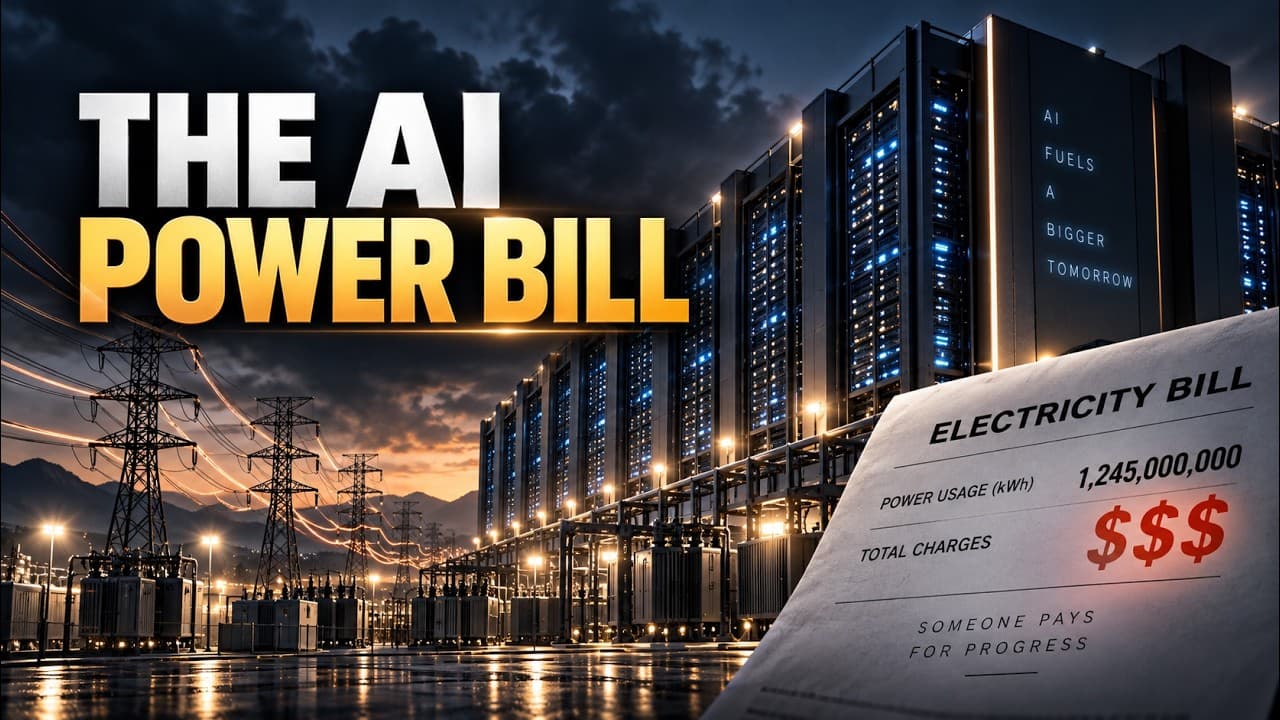
Who Really Pays for the AI Power Boom?
The electric bill is only one layer of the AI infrastructure build-out. Grid upgrades, capacity, stranded-cost risk and financing can land on very different balance sheets.
Independent technology & business analysis
Quiet Premise examines the business and systems behind AI, Big Tech, semiconductors, infrastructure, robotics, and corporate strategy.
Featured analysis
The electric bill is only one layer of the AI infrastructure build-out. Grid upgrades, capacity, stranded-cost risk and financing can land on very different balance sheets.
Latest
Long-form editorial adaptations of Quiet Premise research, designed to stand on their own alongside each documentary.
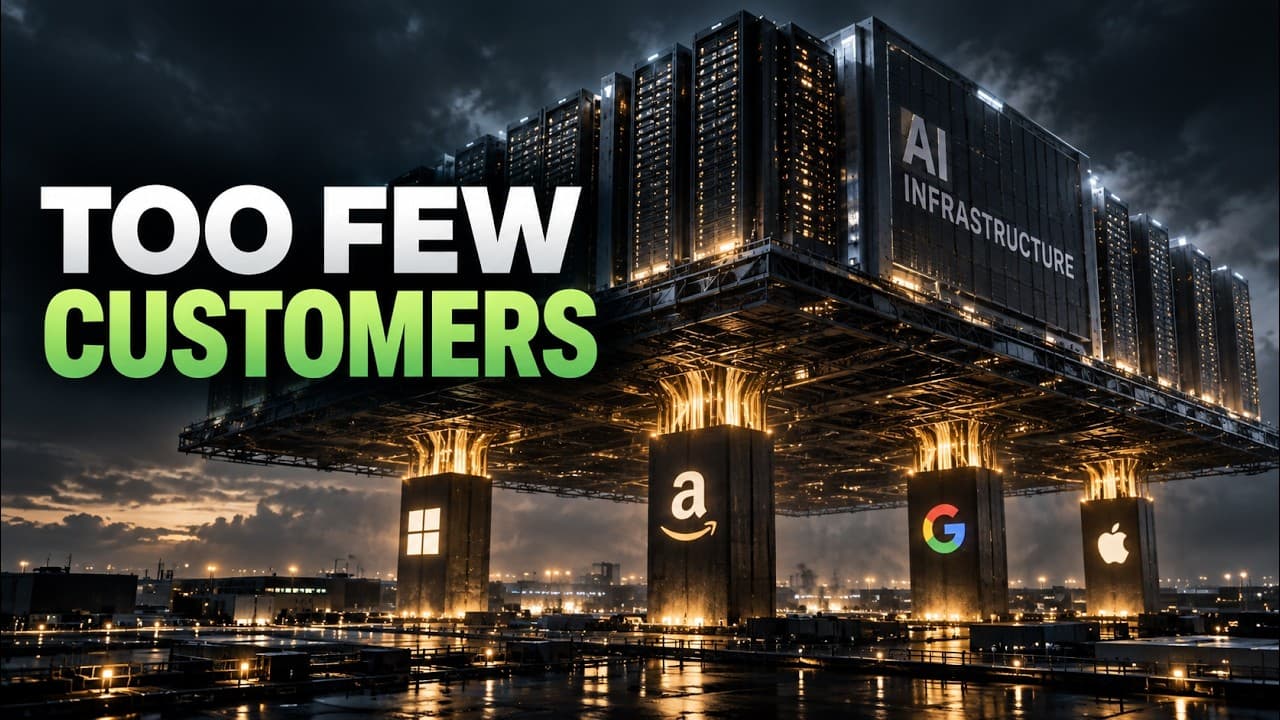
AI infrastructure can have hundreds of suppliers but still depend on a small group of ultimate buyers. Nscale, CoreWeave and Core Scientific filings show how customer concentration travels through the cloud supply chain.
When grid capacity arrives more slowly than AI computers, developers consider turbines and on-site generation. Projects in Mississippi, Texas and Dublin show why that workaround creates new engineering, financial and public questions.
The semiconductor supplier is becoming a financier of the computing capacity its customers need. The Broadcom–Anthropic arrangement shows how AI infrastructure contracts now combine chips, leases and extraordinary capital commitments.
CoreWeave has signed enormous future AI computing commitments. Its own financial disclosures reveal the expensive chain between a customer's contract, an energized data center and actual recognized revenue.
Foxconn is moving from familiar consumer-device assembly toward complete AI computing systems. Revenue is accelerating, but physical integration and contract-manufacturing margins reveal a more complicated opportunity.
Microsoft Execution Containers put file, network and process permissions outside the agent's own instructions. That is a practical answer to a growing problem: autonomous software needs boundaries it cannot rewrite.
Topics
Models, economics, distribution, and the companies building the intelligence layer.
02Chips, compute stacks, manufacturing constraints, and the economics behind them.
03Platform strategy, distribution power, ecosystems, and competitive positioning.
04Humanoid systems, automation, deployment economics, and the physical AI stack.
05Data centers, power, networks, capital intensity, and the systems technology depends on.
06Capital allocation, corporate structure, financing, acquisitions, and strategic bets.
Quiet Premise
“Deep analysis of the business and infrastructure behind technology.”About the publication